Ibn Tulun Mosque and Gayer- Anderson museum

Expert Guides

Unique Experiences

Responsible Tourism

Personalized Service
History
Architecture
Must-see features:
The mosque's original wooden minbar (pulpit) and mihrab (prayer niche)
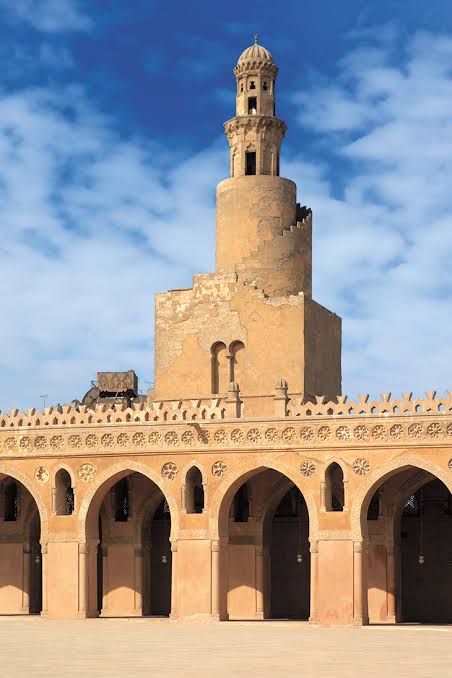
The beautiful stone carvings and stucco decorations
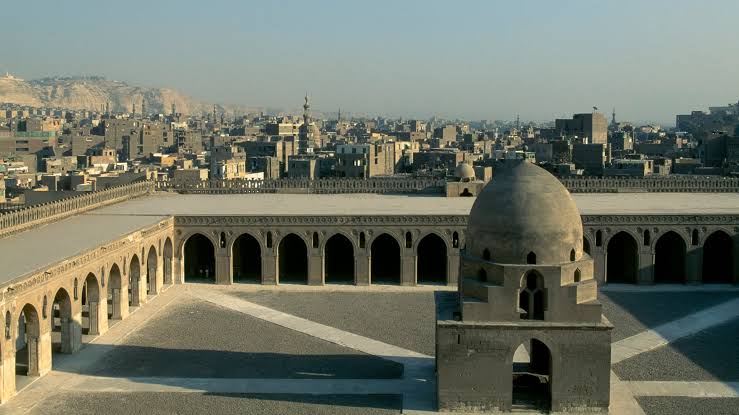
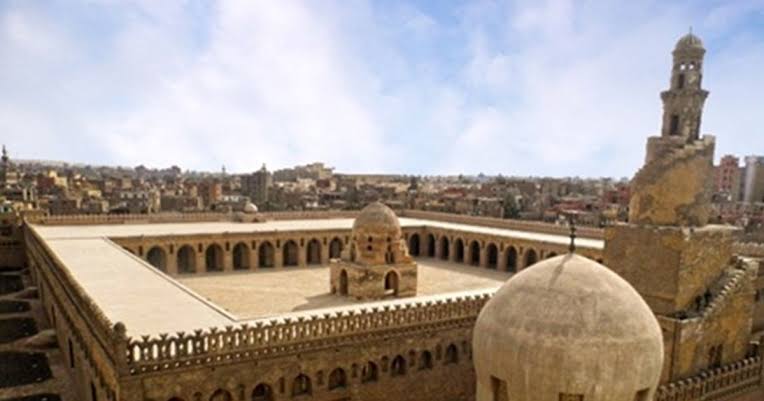
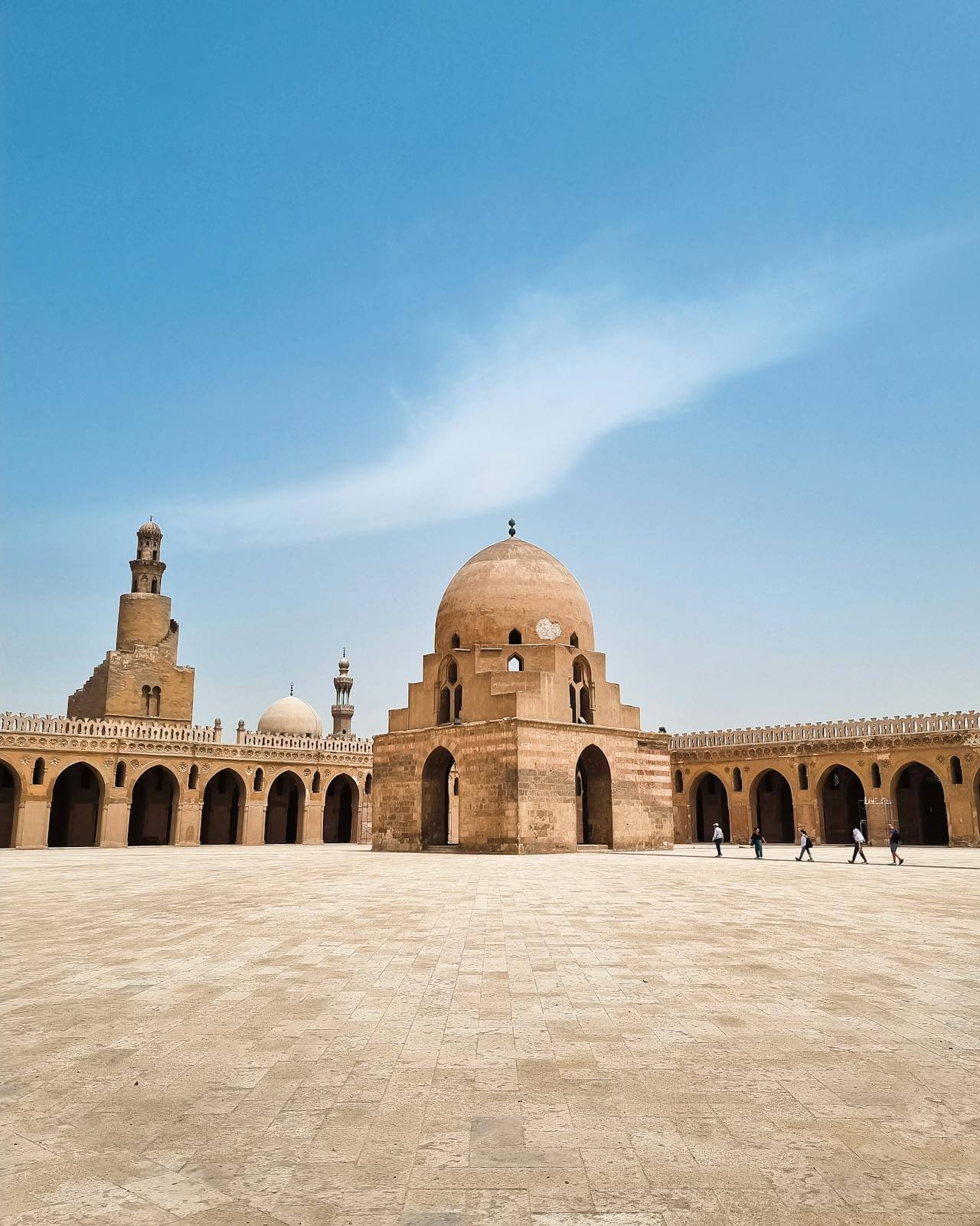
The large courtyard with its central fountain
The mosque's unique ziyada (ablution fountain)
Inside
Marvel at the intricate stone carvings and decorations
See the beautifully restored wooden minbar and mihrab
Who is Gayer-Anderson?
Early Life and Career
John Gayer-Anderson was born in 1881 in England.
He joined the British Army and served in Egypt, where he developed a passion for Islamic art and culture.
He eventually retired from the army and settled in Cairo, where he devoted himself to collecting and studying Islamic art.
The Museum
Gayer-Anderson lived in two adjacent houses in Cairo, which he restored and filled with his collection of Islamic art and artifacts.
In 1942, he donated the houses and their contents to the Egyptian government, with the condition that they be turned into a museum.
The Gayer-Anderson Museum was opened in 1945 and is now one of Cairo's most popular museums.
Collection
The museum's collection includes a wide range of Islamic art and artifacts, including ceramics, textiles, metalwork, and furniture.
Many of the objects in the collection were collected by Gayer-Anderson himself, while others were acquired by the Egyptian government.
The collection is notable for its diversity and quality, and includes many rare and important works of Islamic art.
Legacy
Gayer-Anderson's legacy is as a collector and connoisseur of Islamic art, and his museum is a testament to his passion and dedication.
The museum is an important cultural institution in Cairo, and continues to attract visitors from around the world.